











When it comes to nutrients that support energy, most people think of protein or caffeine, but there’s another key player working behind the scenes: thiamin, also known as vitamin B1.
This essential B vitamin helps your body convert food into usable energy and supports everything from metabolism to nervous system function. It’s especially important for growing kids, active adults, and anyone needing steady energy throughout the day.
In this edition of our Nutrition 101: Trace Minerals series, we’re diving into what thiamin does, how much you need, and how Kiki Milk naturally delivers it through whole food ingredients.
What Is Thiamin?
Thiamin is a water-soluble B vitamin (vitamin B1) that plays a critical role in energy metabolism.
Your body uses thiamin to help convert carbohydrates into fuel your cells can actually use. It also supports:
- Nervous system function
- Muscle movement
- Heart health
- Brain development and cognitive function
Because your body doesn’t store much thiamin, it’s important to get consistent amounts through food.
Why Thiamin Matters
Even though it’s needed in small amounts, thiamin supports several important functions throughout the body.
Key Benefits of Thiamin:
⚡ Helps turn food into usable energy
🧠 Supports brain development and cognitive function
❤️ Supports heart and nervous system health
💪 Helps muscles function properly
🌱 Especially important for active, growing bodies
Thiamin is especially important during periods of growth, physical activity, stress, and increased energy demands.
How Much Thiamin Do You Need?
Your thiamin needs vary slightly based on age and life stage.

Thiamin in Kiki Milk
Only certain Kiki Milk blends contain measurable amounts of thiamin, and we’re proud to source it naturally from whole food ingredients.
Thiamin Per 8oz Serving

Our thiamin comes naturally from ingredients like:
- Oats
- Sprouted pumpkin seeds
- Bananas
No synthetic additives or isolated vitamin powders, just nourishing whole food ingredients.
Can You Get Enough Thiamin on a Plant-Based Diet?
Yes, absolutely.
Many plant foods naturally contain thiamin, including:
- Oats
- Seeds
- Legumes
- Whole grains
- Bananas
Because thiamin isn’t stored in large amounts in the body, consistency matters more than mega doses. Eating a varied, nutrient-dense diet helps support healthy intake over time.
Why Whole Food Sources Matter
Whole food sources of B vitamins come packaged with additional nutrients, fiber, and naturally occurring compounds that help support overall nutrition.
At Kiki Milk, we prioritize ingredient-first nutrition, using nutrient-dense foods like oats, sprouted seeds, and fruit to naturally deliver vitamins and minerals without unnecessary additives.
Final Thoughts
Thiamin may not get as much attention as other nutrients, but it plays a foundational role in helping your body create energy, support metabolism, and maintain healthy brain and nervous system function.
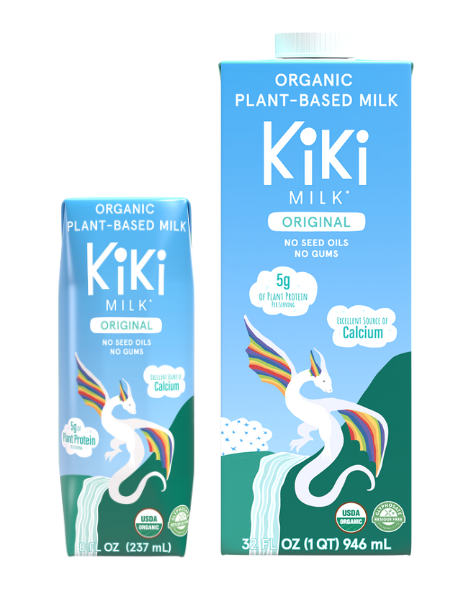
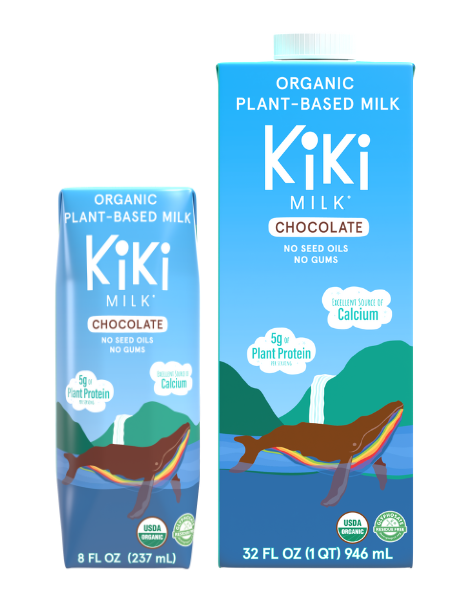
And thanks to thoughtfully selected whole-food ingredients, Kiki Milk naturally delivers thiamin in Original and Chocolate blends, supporting growing bodies and busy days alike.


