









Iron might not get as much attention as protein or calcium, but this trace mineral plays a major role in how your body functions every single day.
From carrying oxygen throughout the body to supporting brain development and energy levels, iron is especially important for growing kids, menstruating teens and adults, and anyone following a plant-forward lifestyle.
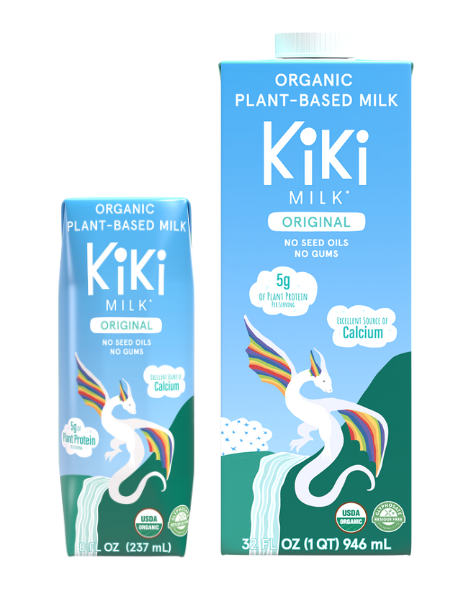
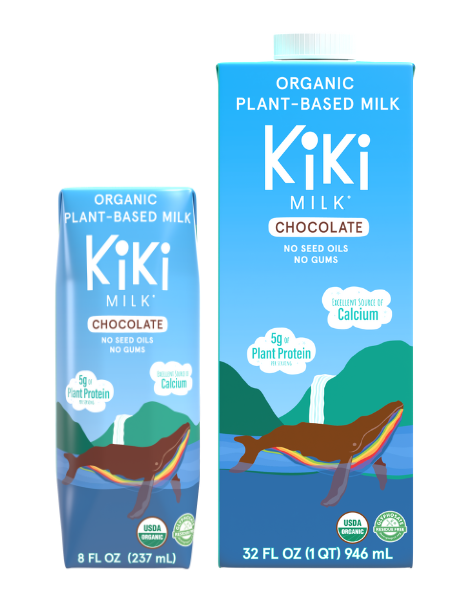
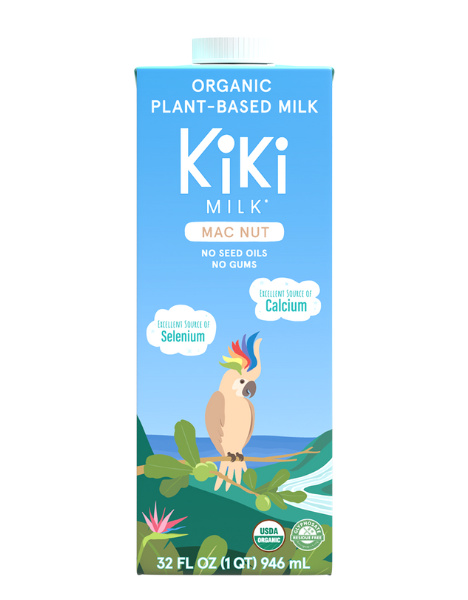
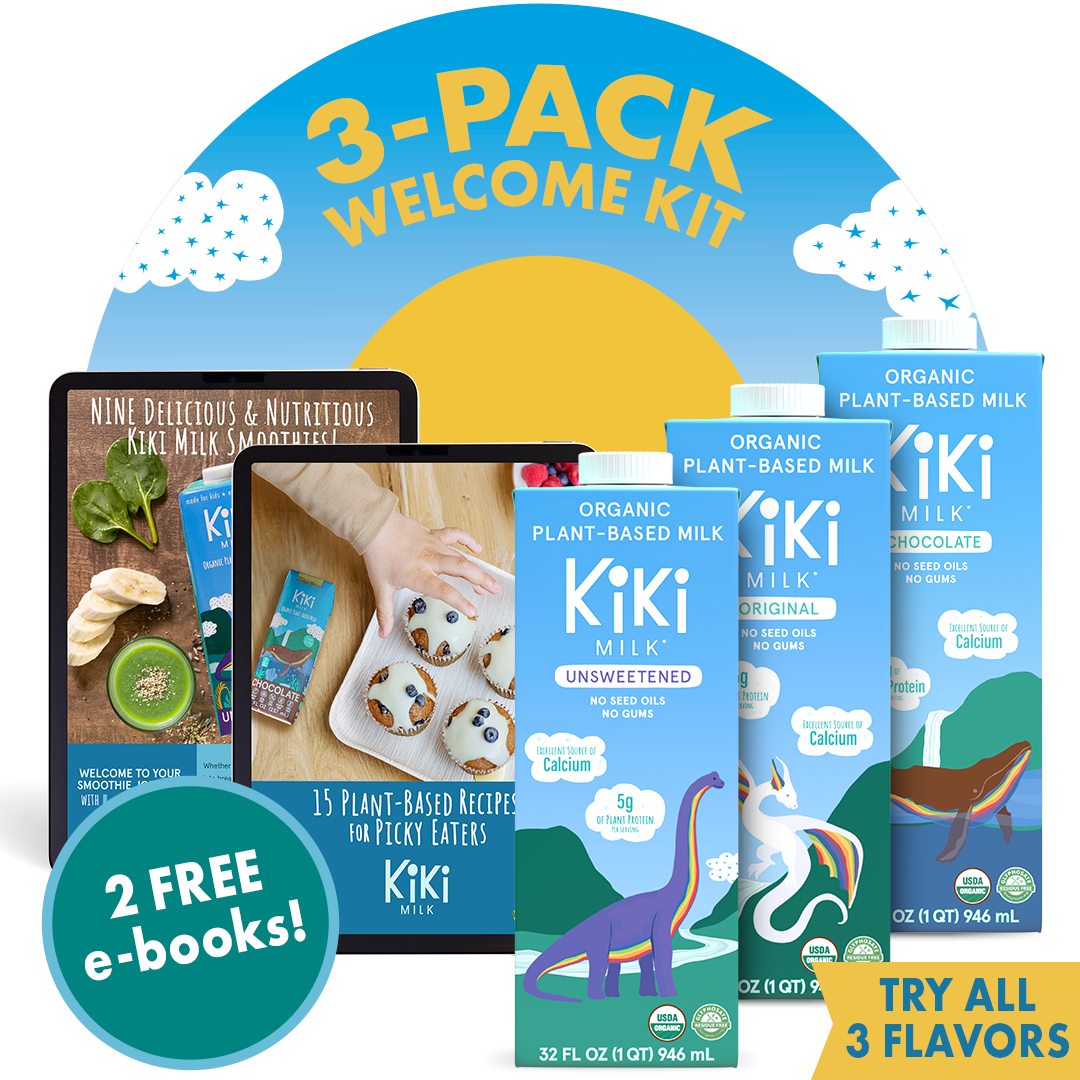
Let’s break down what iron does, how much you need, and how Kiki Milk naturally delivers plant-based iron from real, organic ingredients.
What Is Iron?
Iron is an essential mineral your body uses to make hemoglobin, a protein in red blood cells that carries oxygen from your lungs to the rest of your body.
In simple terms?
Iron helps your body create energy.
It’s also critical for:
- Brain development and focus
- Healthy immune function
- Growth and development
- Physical stamina and endurance
Because your body can’t produce iron on its own, you need to get it regularly through food.
Why Iron Matters
Iron supports several important functions in the body, including:
⚡ Supporting energy production and stamina
🩸 Carrying oxygen in red blood cells
🧠 Supporting brain development and focus
😴 Helping prevent fatigue and irritability
🛡️ Supporting a healthy immune system
Iron deficiency is one of the most common nutrient deficiencies worldwide - especially among:
- Toddlers and children
Menstruating teens and adults
Pregnant individuals
Plant-based eaters
That’s why getting enough iron consistently matters.
How Much Iron Do You Need?
Iron needs vary depending on age, sex, and life stage.

💡 Iron needs are often higher during:
- Growth spurts
- Menstruation
- Pregnancy
- Plant-based eating patterns
These recommendations are based on the Dietary Guidelines for Americans (2020–2025).
Iron in Kiki Milk
Every blend of Kiki Milk contains naturally occurring iron from organic whole food ingredients like:
- Sprouted pumpkin seeds
- Hemp seeds
- Spinach
These ingredients provide plant-based (non-heme) iron in a clean, food-first form, alongside naturally occurring vitamin C and other cofactors that help support absorption.

Unlike many products that rely on synthetic additives or isolated nutrient powders, Kiki Milk gets its iron naturally from real food ingredients.
Heme vs. Non-Heme Iron: What’s the Difference?
There are two main types of iron found in food:
Heme Iron
- Found in animal products like meat and seafood
- More easily absorbed by the body
Non-Heme Iron
- Found in plant foods like seeds, legumes, greens, and Kiki Milk
- Absorption improves when paired with vitamin C
The good news?
Plant-based diets can absolutely provide enough iron, it just helps to eat a variety of iron-rich foods consistently and pair them with vitamin C-rich foods like berries, citrus, kiwi, or bell peppers.
How to Improve Iron Absorption
Want to help your body absorb more iron naturally?
Here are a few simple tips:
- Pair iron-rich foods with vitamin C
- Include a variety of seeds, beans, greens, and whole grains
- Avoid drinking coffee or tea directly with iron-rich meals, since they can reduce absorption
A smoothie made with Kiki Milk + berries is an easy, delicious combo.
Can Kids Get Enough Iron on a Plant-Based Diet?
Yes, absolutely.
With intentional meals and nutrient-dense foods, kids can meet their iron needs through plant-based sources.
Some great options include:
- Beans and lentils
- Pumpkin and hemp seeds
- Leafy greens
- Oats and whole grains
- Tofu and tempeh
- Kiki Milk
The key is consistency, variety, and pairing iron-rich foods with vitamin C.
Final Thoughts
Iron may be a “trace” mineral, but its impact is anything but small.
From energy and focus to growth and immunity, iron supports some of the body’s most important functions, especially during childhood and other periods of rapid growth.
At Kiki Milk, we focus on delivering naturally occurring iron through clean, organic whole food ingredients, because nutrition works best when it comes from real food.


