










When people think about important nutrients, protein, calcium, and iron usually steal the spotlight. But zinc deserves a place in the conversation, too.
This essential trace mineral plays a major role in everything from immune function and wound healing to growth and development, especially in kids and active adults.
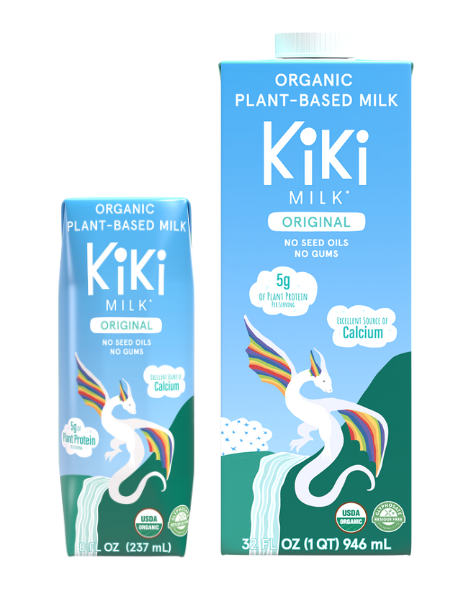
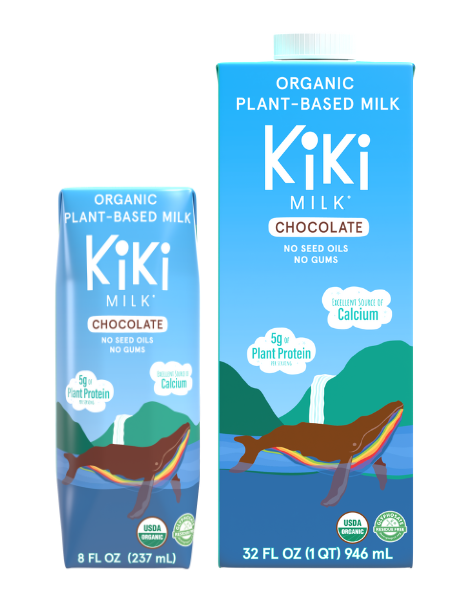
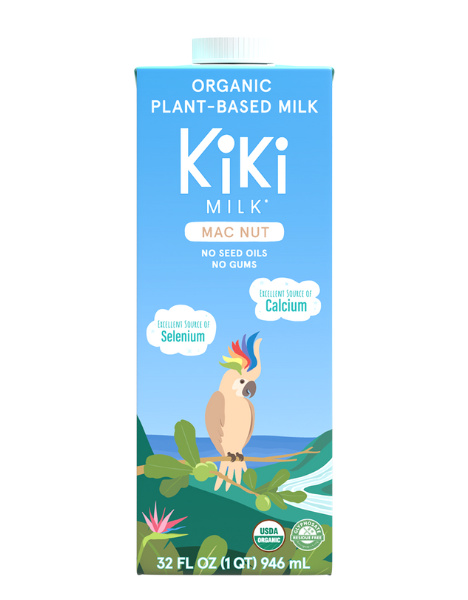
In this edition of our Nutrition 101: Trace Minerals series, we’re breaking down what zinc does, how much you need, and how Kiki Milk naturally delivers plant-based zinc from real, organic ingredients.
What Is Zinc?
Zinc is an essential trace mineral your body needs to:
- Grow and develop properly
- Repair tissues
- Support immune health
- Produce enzymes and hormones
Unlike some nutrients, your body doesn’t store zinc for long periods of time. That means it’s important to get enough regularly through food.
Why Zinc Matters
Zinc supports hundreds of functions throughout the body. Some of its most important roles include:
🛡️ Supporting immune system function
🤧 Helping reduce the duration of colds
🩹 Supporting wound healing and tissue repair
🌱 Aiding cell growth and development
👅 Supporting taste, smell, and appetite
⚙️ Helping produce enzymes and hormones
Zinc is especially important during:
- Childhood and adolescence
- Pregnancy
- Periods of illness or stress
- Times of rapid growth
How Much Zinc Do You Need?
Your zinc needs vary based on age, sex, and life stage.

💡 Zinc needs may increase during illness, stress, or rapid growth.
These recommendations are based on the Dietary Guidelines for Americans (2020-2025).
Zinc in Kiki Milk
Every blend of Kiki Milk contains naturally occurring zinc from organic whole food ingredients like:
- Sprouted pumpkin seeds
- Hemp seeds
- Seaweed
Zinc Per 8oz Serving

That makes Kiki Milk a solid plant-based source of zinc for kids and adults alike, without synthetic additives or isolated nutrient powders.
Plant-Based Zinc vs. Animal-Based Zinc
Zinc from animal foods is generally absorbed a bit more easily than zinc from plant foods. But that doesn’t mean plant-based eaters can’t meet their needs.
The key is eating a variety of zinc-rich foods consistently, including:
- Seeds
- Nuts
- Legumes
- Whole grains
- Mineral-rich plant milks like Kiki Milk
Pairing zinc-rich foods with nutrient-dense meals can also help support absorption.
Can Zinc Help Prevent or Shorten Colds?
Zinc is well known for supporting immune health.
Some studies suggest zinc may help reduce the length and severity of colds when taken at the first sign of symptoms, though results vary depending on the form and dosage.
Either way, getting enough zinc consistently through your diet helps support a strong, healthy immune system year-round.
Signs You May Not Be Getting Enough Zinc
Low zinc levels can sometimes show up as:
- Frequent illness
- Slow wound healing
- Reduced appetite
- Changes in taste or smell
- Fatigue or low energy
Because zinc is involved in so many body systems, even mild deficiencies can make a difference.
Final Thoughts
Zinc may be needed in small amounts, but it has a major impact on your body’s ability to grow, heal, and stay resilient.
At Kiki Milk, we use nutrient-dense ingredients like sprouted seeds and seaweed to naturally deliver zinc in a clean, whole food form, because real nourishment starts with real ingredients.


